
EXACT Sports
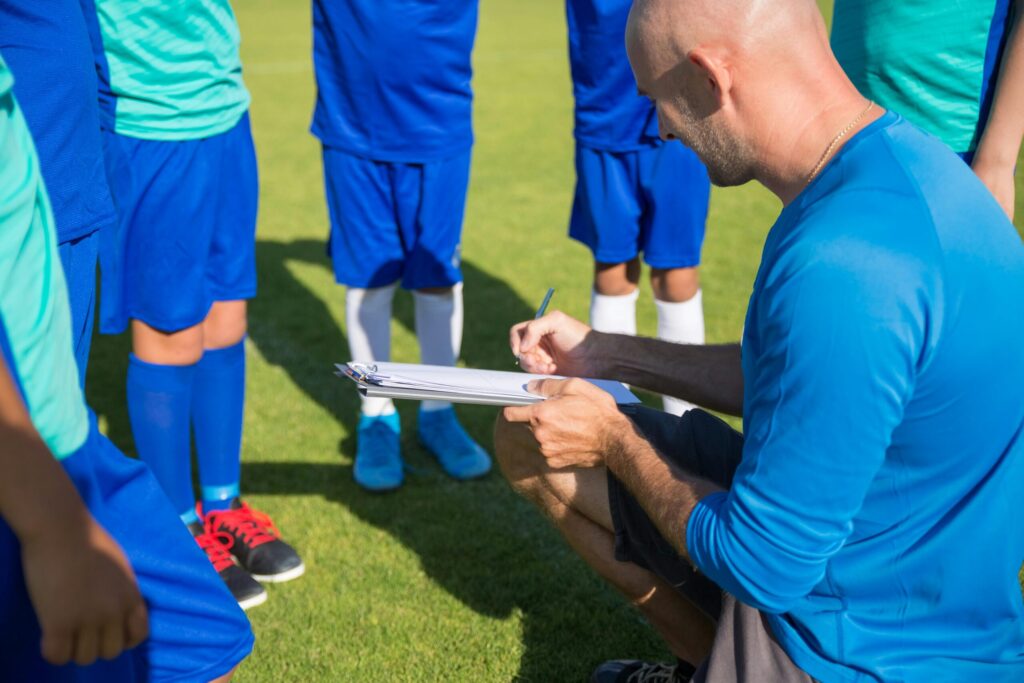
Every athlete hopes for that big day, walking onto a college field in their team colors, but before it happens, eligibility decides who even gets close. It is more than paperwork, it is what makes the dream real, and learning the basics of recruiting helps athletes see how these NCAA, NAIA, and NJCAA rules shift the whole picture.
Below, we’ll break down how recruiting truly works, what families should look out for early, and why starting strong from day one can make all the difference later.
Understanding the Big Three: NCAA, NAIA, and NJCAA
College sports fall into three main groups, each doing things in their own style. The NCAA, NAIA, and NJCAA have different goals, levels, and ways of working, and knowing core courses and GPA requirements often helps families understand why these differences matter so much when choosing a path.
The NCAA splits into Divisions I, II, and III, and each one feels pretty different. Division I’s where the competition lives. Division II mixes academics and sports, and Division III keeps school as the main focus.
However, NAIA schools often feel like families, small enough that everyone knows everyone. The NJCAA’s a good start for players at junior colleges hoping to move up later. Each path matters equally, because what matters most is picking the one that fits just right.
Breaking Down NCAA Divisions: D1, D2, and D3
As already mentioned, the NCAA is split into three divisions, and each one gives a different kind of college life. Below, we will look closer at what separates them, what makes each special, and why many families compare these choices while building a target school list that fits both academics and athletics.
Division I — The Most Competitive Tier
Division I is where everything feels bigger, louder, and harder. The games, the crowds, the training, it’s nonstop. Athletes here live on strict routines, juggling classes and practice like pros. It’s intense, but, you know, the rewards can feel just as huge when it all pays off.
To qualify, students must finish 16 core classes, hold at least a 2.3 GPA, and register with the NCAA Eligibility Center before competing. Scholarships usually cover everything for big sports, though spots are tight. Still, for many players, Division I’s the dream that keeps them going.
Division II — Balance Between Academics and Athletics
Division II feels like a middle ground, where sports and school actually balance out. The campuses are smaller, classes feel friendlier, and athletes still compete hard while keeping up with their studies. It’s the kind of place that values both growth and great performance equally.
To stay eligible, students need a 2.2 GPA, 16 core classes, and to register with the NCAA Eligibility Center. Scholarships are usually partial, so athletes mix athletic, academic, and need-based help. Still, the competition’s tough, and the whole experience can be really fulfilling.
Division III — Academics Come First
Division III’s all about learning first. That’s the heart of it. These schools believe students should grow as thinkers and people before anything else. Sports still matter, sure, but they never take over. Athletes play for love of the game, keeping school and goals front and center.
There aren’t athletic scholarships here, but students can still earn help through academics or financial need. Each school handles admissions on its own, not through a national group. Still, games stay exciting, and the whole thing feels more personal, focused, and honestly, really rewarding.
The NAIA Route — Small Campuses, Big Chances
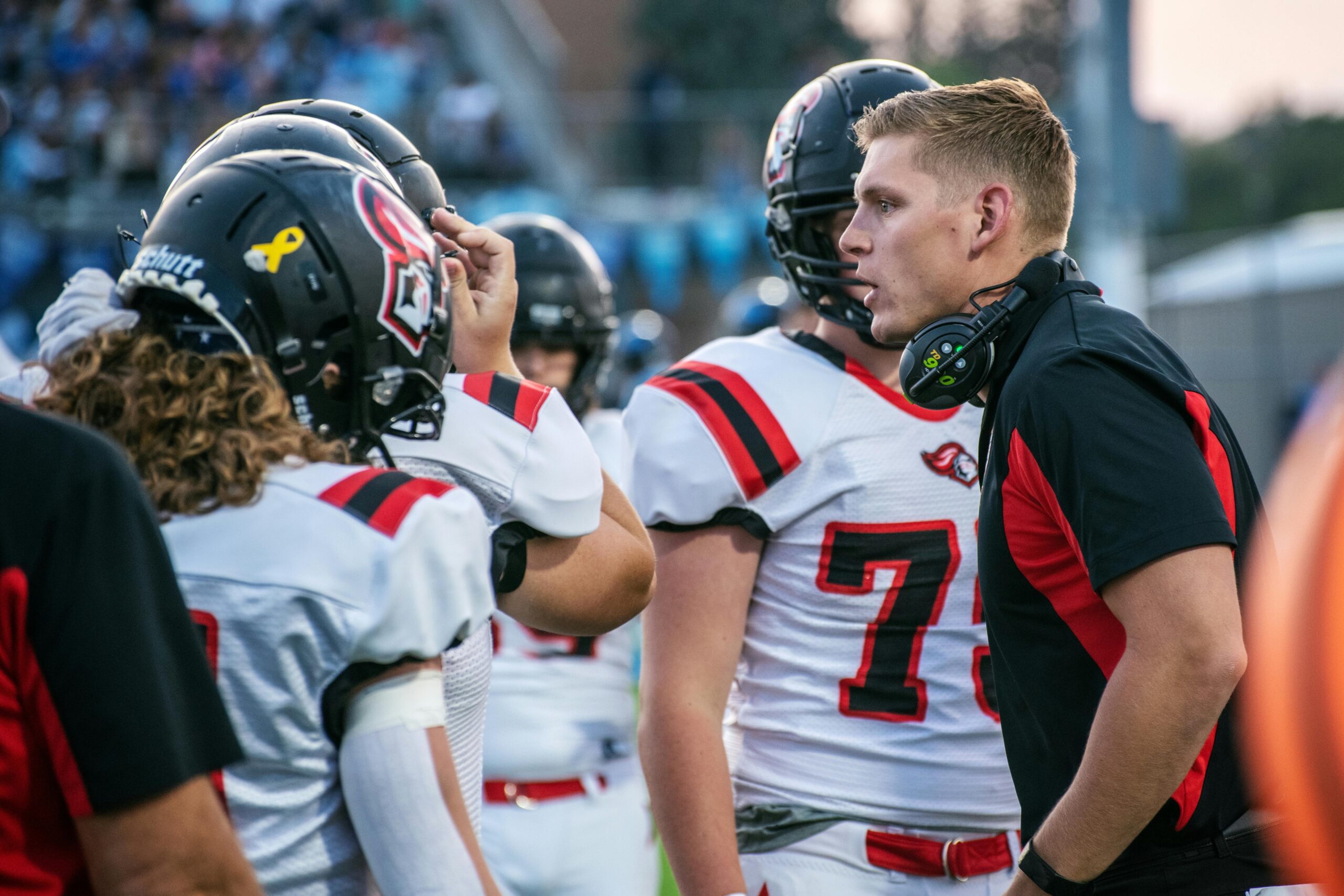
The NAIA offers a more personal college experience where smaller schools create tight communities and strong relationships. Athletes often know their coaches well, and competition still feels serious, just without the same scale as the NCAA.
Source: Pexels
Besides, eligibility here is simple. Students must meet two of three standards: a 2.0 GPA, a qualifying test score, or a top 50 percent class rank. Scholarships can be full or partial, and communication with coaches starts earlier, making the whole experience feel approachable and supportive.
The NJCAA Path — Building Toward the Next Level
The NJCAA’s great for athletes who need a reset, whether it’s for grades, experience, or just another step toward a bigger school. Junior colleges mix tough competition with real support, helping students balance studies and sports while learning what college life’s really about.
Programs here usually last two years and include both athletic and academic aid. Coaches care most about growth, teamwork, and steady improvement. When athletes finish and meet the transfer goals, many move into NCAA or NAIA schools, ready with new skills and fresh confidence.
How Parents Can Help Without Taking Over
Parents have a big part in keeping recruiting from turning into chaos. Their support makes it easier when everything like schoolwork, games, and travel starts stacking up. The secret is to guide gently, not take over. Sometimes the quiet kind of help works best.
A few kind words can change everything. A soft “keep going” or “you’re doing great” means more than any big speech. And, honestly, being calm when stress hits from coaches or school helps athletes stay grounded when things feel a bit too heavy.
Parents can help with the small stuff, like organizing dates or checking on requirements, without taking control. The best help often feels invisible, you know, just quiet support in the background that makes the whole experience smoother and a lot healthier.
Comparison Chart: NCAA DI, DII, DIII, NAIA, and NJCAA
Every athletic organization has its own way of doing things, its own rules and structure. That’s why looking at them side by side makes so much sense. The NCAA, NAIA, and NJCAA all offer unique paths, with big differences in academics, scholarships, and campus life.
So, let’s compare them and see how they line up:
Organization / Division | Academic Requirements | Athletic Scholarships | Eligibility Rules | Key Features |
NCAA Division I | 16 core courses, 2.3 GPA, SAT/ACT scale | Full scholarships (Headcount sports) | Register with NCAA Eligibility Center | Highest competition, national visibility |
NCAA Division II | 16 core courses, 2.2 GPA | Partial scholarships (Equivalency sports) | Register with NCAA Eligibility Center | Academic balance, moderate competition |
NCAA Division III | Admission standards set by each school | No athletic scholarships | Institution-based oversight | Focus on academics, merit and need aid |
NAIA | 2 of 3: GPA 2.0, class rank, or test score | Full or partial scholarships | NAIA Eligibility Center | Smaller schools, personal environment |
NJCAA | High school diploma or GED | Full or partial scholarships | Verified by college | Two-year programs, transfer opportunities |
Knowing these differences really helps athletes plan better. Some divisions lean more toward academics, while others care more about competition or growth. There isn’t one perfect path for everyone, you know. It’s about finding the one that fits who you are and your goals.
What to Do If You’re Not Eligible Yet
Not everyone checks every eligibility box right away, and that’s perfectly okay. It just means you’ve got some growing to do. Little steps add up fast if you keep patient, stay organized, and keep moving forward, even when it feels slow.
Here are a few things that really help:
- Retake or complete missing core classes to boost your GPA.
- Talk to your school counselor early for academic planning.
- Take summer or online classes whenever they’re needed.
- Think about beginning at an NJCAA school to rebuild eligibility.
- Keep test results and transcripts updated and organized.
Falling behind doesn’t mean you’re done. A lot of athletes come back stronger after learning time management and discipline. What truly matters is staying steady, staying hopeful, and knowing that every little change moves you closer to where you belong.
The Essentials to Keep in Mind Before Choosing What Fits Best
Picking a division isn’t about chasing fame. It’s about knowing what actually fits who you are. Think through what’s most important to you. Maybe you want strong academics, or maybe more playing time and team energy. Both count, and honestly, both matter more than people think.
Rules about eligibility are key, but so are the little habits each day. Keeping grades solid, staying active, and communicating clearly can really help later on. And if you see your journey as something long-term, not rushed, your progress feels stronger and lasts longer too.
No two athletes follow the same road, and that’s what makes it special. Some do great in small schools where support feels personal, while others aim big for top competition. Either way, success follows those who stay ready, patient, and willing to grow.
Endnote
Every athletic organization gives athletes something a little different, and learning those differences can turn all the confusion into something useful. The NCAA, NAIA, and NJCAA each have their own paths, but picking the right one really depends on your goals and how hard you are willing to work.
At the end of the day, eligibility is not just about passing rules. It is about staying consistent, planning early, and keeping your mind open. When athletes really understand how these systems run, they grow stronger in more ways than one, with more confidence, direction, and momentum ahead.
| FEATURE | D-1 | D-2 | D3 | NAIA |
|---|---|---|---|---|
| Athletic Scholarships | Full | Partial | No | Yes |
| Academic Flexibility | Medium | High | Very High | High |
| Competition Level | Elite | High | Competitive | Competitive |
| Recruiting Intensity | Very High | High | Moderate | Moderate |