
EXACT Sports

For a lot of kids who play sports, making it onto a college team feels almost impossible, like it’s only for the best players. But the truth is, recruiting is where that dream really begins, and understanding eligibility rules across divisions also helps put that journey into perspective.
Below, we’ll talk about how recruiting really works, what families should pay attention to early, and why being ready from the start can change everything. Most times, the choices coaches make later depend on what athletes did way before.
Understanding What Recruiting Really Means
Recruiting, in the world of college sports, is how coaches find and connect with student athletes who might fit their teams. It’s all about communication and evaluation, where hard work meets a chance. You could picture it as a long talk between talent and the perfect program.
Recruiting, in the world of college sports, is how coaches find and connect with student athletes who might fit their teams. It is all about communication and evaluation, where hard work meets a chance, and understanding core courses and GPA requirements becomes a big part of that picture.
Well, it’s not just about being good at a sport. Coaches look for students who show discipline, strong grades, and a solid attitude. They want players who can handle school and sports together because college life needs focus, balance, and maturity both inside and outside the field.
Besides, recruiting is about relationships too. When an athlete first contacts a coach, that message can open a door that changes everything. Over time, trust grows through emails, calls, and visits until both sides feel sure it’s the right fit. That’s what recruiting really means.
The Phases of the Recruiting Process
The recruiting process happens in a few clear stages that help athletes move from being interested to officially joining a team. It usually begins with preparation, then research, outreach, visits, and finally, commitment. Each step is going to be talked about in the following sections below, explaining how each phase guides athletes closer to real college opportunities.
Preparation Phase
The preparation phase is where everything begins. This is when athletes start focusing on building a strong foundation both in the classroom and on the field. Good grades, steady effort, and consistent practice matter most because coaches notice those who show real discipline and reliability early on.

Source: Pexels
In this first phase, it is also about putting together the right materials. Athletes create highlight videos, gather stats, and register with the NCAA Eligibility Center to make sure they meet all requirements. Besides, learning how to manage time and stay organized already sets the tone for success later.
Research Phase
The research phase is when athletes begin exploring what schools could feel right for them. It is not always about the most popular programs, but about finding somewhere they can really grow, which eventually helps with building a target school list that actually fits their goals.
Also, it’s super helpful to stay organized. Making a list of dream, target, and reach schools brings structure to the process. And, you know, checking details like roster size, scholarships, and graduation rates keeps everything balanced once it’s time to make big choices.
Outreach Phase
The outreach phase is when athletes take that big first step and reach out to college coaches. It’s the moment to introduce yourself, share progress, and express true interest. A simple, well-written email with stats, videos, and school details can easily start a good conversation.
Communication here needs to sound real, not forced. Coaches value honesty and steady effort far more than trying to impress. Keeping things polite, positive, and calm helps build trust, and that trust often becomes the key to future recruiting opportunities.
Visits and Evaluations
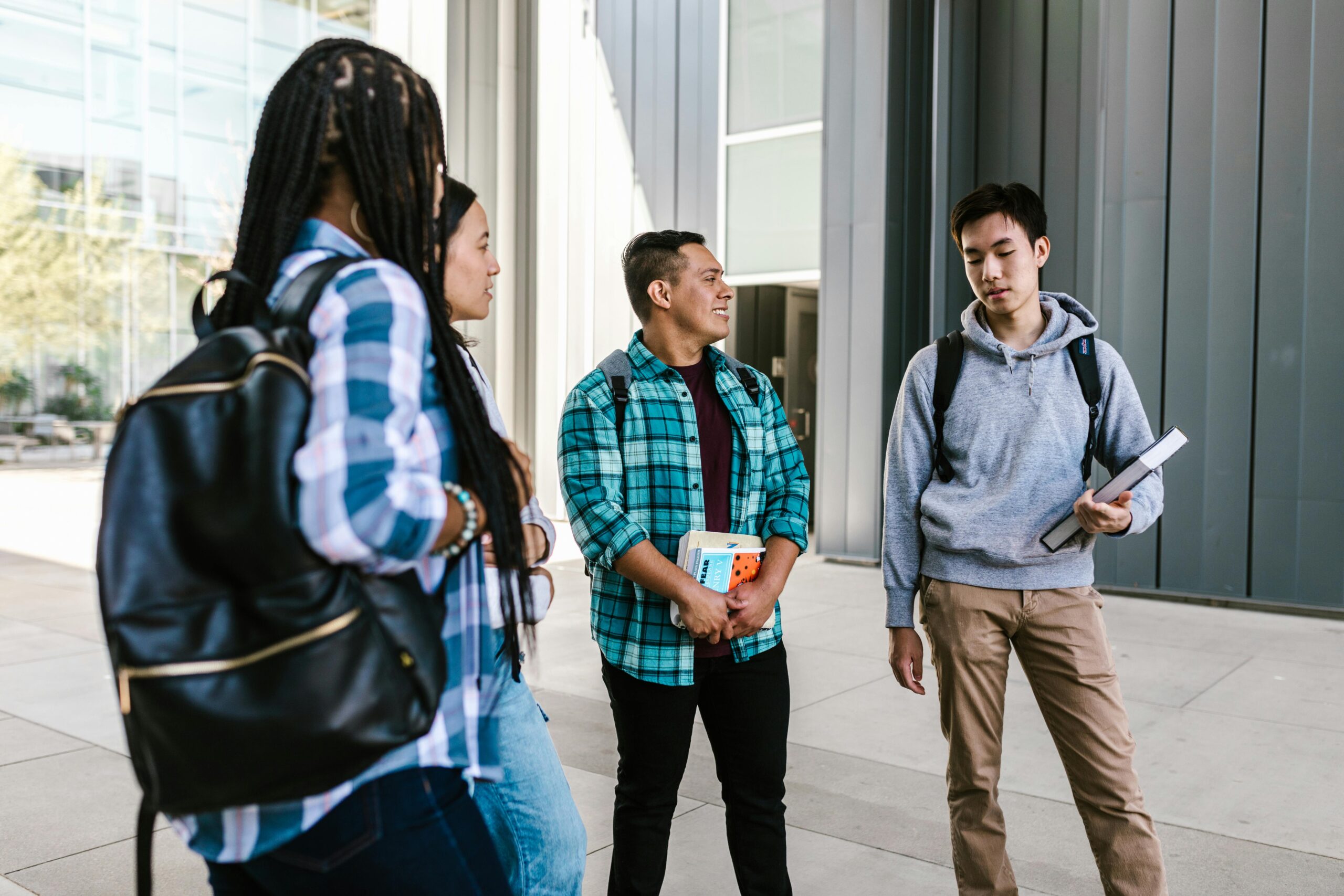
The visits and evaluations phase is when things begin to feel serious. Athletes get to visit campuses, meet their possible coaches, and see how teams really work. It is also when coaches start noticing more, like attitude, energy, and how smoothly someone could fit into their program.
Source: Pexels
These visits help everyone see if the match feels right beyond numbers or videos. Small things count a lot here, like being kind, asking good questions, and showing real interest. Those small gestures often stick with coaches long after the visit ends.
The Commitment Phase
The commitment phase is where everything comes together. After months of communication and visits, athletes finally decide which program feels right. It is not just about scholarships or prestige. It is about trust, fit, and knowing the team and school will help them grow.
This last step feels both exciting and serious. Once an athlete accepts an offer and signs the National Letter of Intent, the decision becomes official. Besides, this final phase marks the start of a new chapter, where all the preparation and patience begin to pay off.
The Key Players in the Recruiting Process
The recruiting process is really a team effort, with everyone having their own job. Athletes give effort and passion, coaches help and evaluate talent, and parents stand by offering constant motivation. Below, we will explain how each person helps shape a successful recruiting journey and makes it all come together.
The Athlete’s Role
The athlete’s role is really what keeps recruiting alive. They are the ones who act, stay positive, and communicate honestly with coaches and teammates. Their success often depends on how consistent they stay with effort, grades, and attitude, both on the field and off it.
Athletes also take the lead in building their journey. They send messages to coaches, check in often, and ask smart questions about programs. And honestly, that mix of quiet confidence and kindness is what helps them stand out in the best way.
The Coach’s Role
Coaches play a big role in the recruiting process because they are the ones shaping teams that match their program’s goals. They spend hours watching games, reading emails, and going through highlight videos to spot athletes who combine real ability with good character (that balance means everything).
Coaches also guide and evaluate players with care, seeing if their attitude and effort fit the team’s spirit. Sometimes they reach out just to learn how athletes handle pressure or talk with others. But the best coaches see beyond skill. They are looking for teammates, not only athletes.
The Parent’s Role
Parents take on a calm but powerful role through the recruiting process. They handle schedules, papers, and travel, keeping things on track even when it gets busy. But more than that, they offer emotional support, reminding their child to stay patient and positive when pressure builds.
Meanwhile, parents grow and learn too. They listen carefully, ask the right questions, and help their child make thoughtful choices without controlling them. In the end, that quiet guidance gives athletes strength and turns a confusing process into something full of purpose and hope.
Common Mistakes to Avoid
It is so easy to slip up during recruiting, especially when nerves and excitement get tangled together. Some mistakes feel small at first but can cause big problems later. Staying alert early helps athletes, coaches, and parents avoid the little things that make everything harder.
Common mistakes to watch out for:
- Sending emails that sound the same instead of personal to each coach or school.
- Ignoring schoolwork or missing important eligibility dates.
- Starting too late when gathering information or key materials.
- Sounding rude or not ready during calls, meetings, or visits.
- Caring more about scholarships than the full college experience itself.
Still, almost every mistake can be fixed with patience and awareness. Being kind, honest, and organized really helps. It keeps the process calmer and reminds everyone that recruiting is also about growing, not just reaching the final goal.
Smart Strategies for Parents and Student-Athletes to Do It Together
Parents and athletes go through recruiting together, even when it gets messy or confusing. I mean, there are forms everywhere and too many emails to count. Still, when both try to stay kind and patient (even on long days), things somehow turn out better and more exciting too.
Helpful strategies include:
- Keep notes on schools, coaches, and dates that matter.
- Make short, clear highlight videos and update school info often.
- Communicate kindly with coaches and show appreciation.
- Be realistic about scholarships and opportunities.
- Stay focused on personal growth inside and outside sports.
Besides, consistent teamwork builds something deeper than results. Parents offer structure and reminders, while athletes learn ownership through experience. Together, they create a rhythm that keeps recruiting balanced, hopeful, and filled with lessons that reach far beyond sports alone.
Endnote
Every stage in recruiting serves a reason, from the start of preparation to the end of commitment. When athletes, coaches, and parents stay connected, things move easier and mean more. It is not just about being noticed. It is about finding a college that truly fits (inside and out).
That connection is what success is built on. Recruiting is never just one moment but a process shaped by teamwork and effort over time. When done right, it builds more than athletic opportunities. It builds confidence, balance, and a future full of possibility.
| FEATURE | D-1 | D-2 | D3 | NAIA |
|---|---|---|---|---|
| Athletic Scholarships | Full | Partial | No | Yes |
| Academic Flexibility | Medium | High | Very High | High |
| Competition Level | Elite | High | Competitive | Competitive |
| Recruiting Intensity | Very High | High | Moderate | Moderate |