
EXACT Sports

Visiting a college as a recruit can feel exciting and a little nerve-wracking, you know, because it is one of those moments where everything feels real. Coaches watch how you carry yourself and what you notice, and those small things matter.
Below, we’ll talk through what really happens on these visits, what athletes should pay attention to, and how simple choices can make a better impression. Once you understand what coaches look for, the whole experience feels clearer and a lot more manageable.
Why College Visits Matter in the Recruiting Process
College visits matter because they give you a real sense of where you might spend the next four years, and from our network of hundreds of college coaches we learned how strongly those first moments shape decisions. Coaches also watch how you respond to the environment, much like simple financial-aid comparisons show hidden details.
These visits help you understand what everyday life might feel like on that campus. You meet people, hear familiar sounds, and slowly pick up the rhythm of the place. You start noticing small details that pictures never show, and choosing becomes a whole lot easier.
Coaches value these visits because they get to see who you are beyond being an athlete. They listen to the questions you bring, notice how polite you are, and watch how curious you seem. More than anything, they want to know if you can fit into their team culture.
Official vs Unofficial Visits: What’s the Difference?
What Counts as an Official Visit
An official visit is when a college pays for things like meals or a room to stay in, and that kind of help turns the trip into something important. Coaches bring recruits in because they want more time to see how you might blend with their program.
During an official visit, the school guides you through a planned schedule where you meet people, explore academics, and watch the team in action. These moments help you picture daily life, similar to how athletes understand their level more clearly when reviewing clean highlight-reel clips that reveal real ability.
What Counts as an Unofficial Visit
An unofficial visit is when you and your family handle the expenses while exploring a college on your own time. You can still chat with coaches, walk through campus, and go to events. The school simply cannot cover any costs during this type of visit.
These visits matter because you can choose a time that feels right and get a real sense of the campus without feeling pushed. You can also learn plenty by seeing how students live their day and paying attention to the natural rhythm around you.
What to Expect on Each Type of Visit
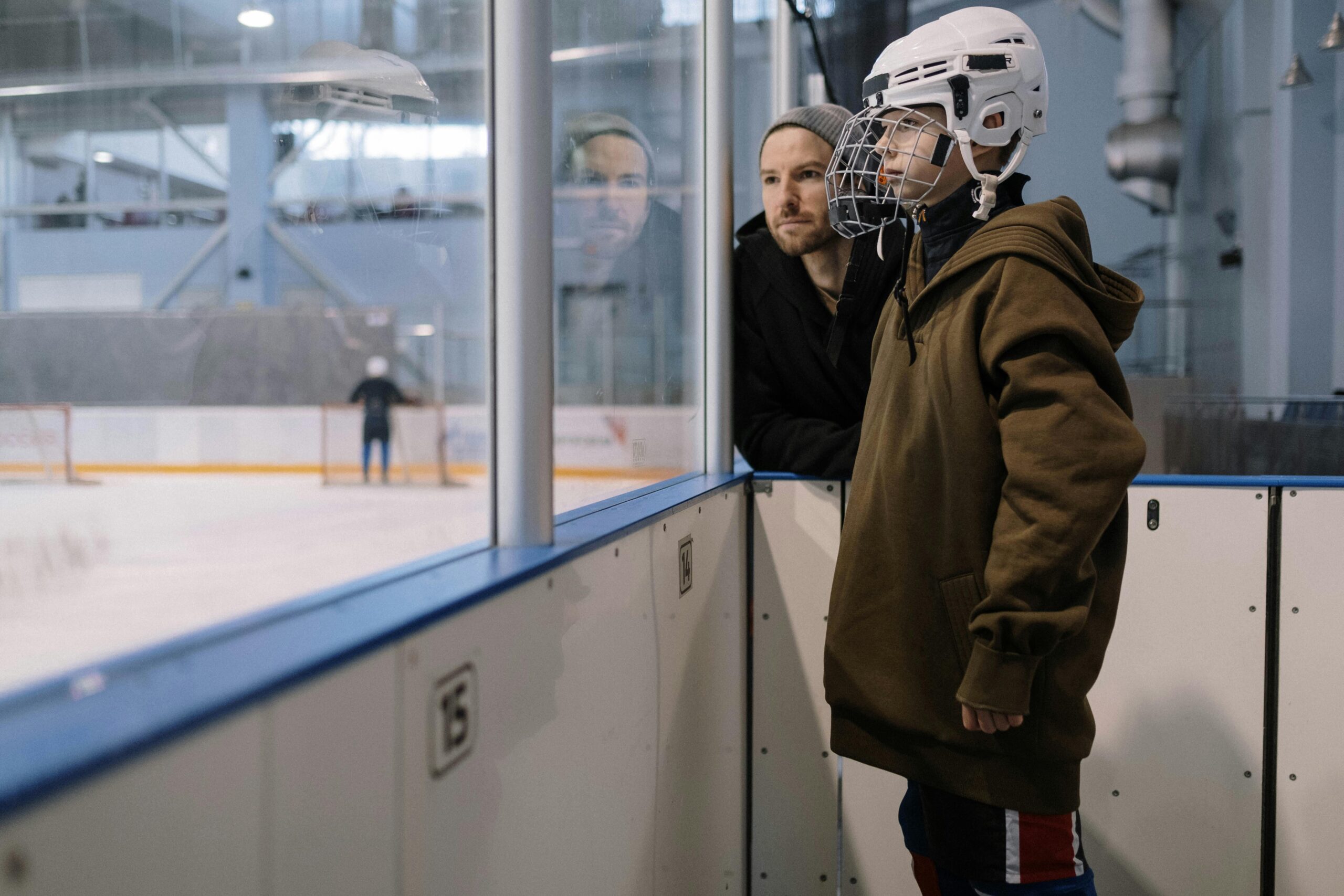
On an official visit, the school usually creates a schedule that lets you meet coaches, explore buildings, and watch the team work together. You might sit through a class, too. These details often shape your perspective, similar to how full-game film reveals deeper context beyond quick highlights.
Source: Pexels
During an unofficial visit, things feel more open because you decide most of the plan yourself. Besides exploring the campus at your own pace, you can walk into the athletic facilities, watch a practice if it is allowed, and talk with staff who happen to be available that day.
How to Prepare for a College Visit (Before You Arrive)
Preparing for a college visit starts with knowing exactly where you need to be and when, so confirming the schedule really matters. Coaches like clarity, and you will feel calmer when you show up. It also helps you avoid rushing around or missing something important while on campus.
Bringing the right items makes the whole day easier. A small notebook, comfortable clothes, and simple things like your academic details help you stay ready for whatever comes your way. Keeping everything in one place keeps you focused on the moment instead of scrambling later.
It is also helpful to spend a little time learning about the school before you arrive. Look at the majors, check the roster, and write down anything you are curious about. Even though it only takes a few minutes, this effort shows maturity and real interest.
What to Wear and How to Present Yourself
Choosing what to wear on a college visit is easier than most people imagine. Clean, comfortable clothes that fit well usually work, and they help you feel steady when meeting coaches or players. It also shows you respect the visit without trying too hard or making it complicated.
How you present yourself matters just as much as the clothes you choose. Good posture, steady eye contact, and a calm voice say more about you than you realize. These small habits make conversations smoother and help coaches see someone who handles things with maturity and respect.
Keeping your phone away during meetings is another simple way to show awareness. It quietly tells them you are paying attention and respect the time they are giving you. And being polite with everyone you meet creates a stronger impression than any fancy outfit ever could.
What to Do During the Visit (Etiquette Checklist)
During a college visit, how you carry yourself ends up mattering more than you might guess, since coaches and players notice all the tiny things you do. But if you stay aware and let yourself feel curious, the day usually becomes easier and starts feeling more natural overall.
Etiquette steps to follow:
- Greet everyone kindly and introduce yourself before your parents begin speaking.
- Listen closely when coaches or staff talk and ask simple questions when something interests you.
- Keep your phone tucked away so you do not appear distracted.
- Show interest in the group by noticing how players interact.
- Thank people for their time, including students who guide you around.
These steps help you stay respectful without changing who you are, and coaches notice that balance. The more focused you stay throughout the visit, the easier it becomes to feel whether the campus is somewhere you could actually grow and truly belong.
What Parents Should and Should Not Do on Visits
Parents play an important role during college visits, even when they try to stay mostly in the background. Coaches expect them to support the athlete without leading the conversation. Their presence can make the athlete feel safer and shows the family cares about making a smart choice together.
The main thing parents should avoid is speaking for their child during key moments. Coaches want to hear the athlete’s own voice, not a parent answering. When parents step aside, coaches notice maturity and confidence, two qualities every program values when evaluating recruits on campus.
Parents can also help in quieter ways, like asking simple questions about housing or academic support when the moment feels right. Though they should avoid controlling the conversation, their steady involvement helps the athlete later as they think about what felt right, what felt off, and why it mattered.
The 8 Best Questions to Ask Coaches and Players
4 Questions for Coaches
Talking with coaches is one of the most important parts of any visit because their replies help you see how you might fit into their world. Asking clear questions shows maturity and helps you learn things that are not obvious when you are just walking around and taking everything in.
Four questions to ask coaches:
- When you watch players in my spot, what do you usually notice first or care about most?
- For new players, what is the first semester usually like with classes and training mixed together?
- What does a normal week in your season feel like in terms of practices and team time?
- If someone needs extra help, whether with school or improving their game, what options do they usually have here?
These questions help create honest conversations and let you understand what life might genuinely feel like under that coach. Coaches notice when an athlete asks thoughtful things, and it quietly shows them that you are serious about choosing the right environment for your future.
4 Questions for Current Athletes
Talking with current athletes gives you a clearer sense of what daily life really feels like on the team, and their honesty helps more than any brochure. Asking the right questions matters because players sometimes share details coaches might not remember to explain during the visit, which helps you think.
Four questions to ask current athletes:
- What is it really like being part of this team day to day, and do people actually get along?
- How busy do you usually feel during the season with classes, practice, and everything else?
- When someone is struggling or makes mistakes, how do the coaches usually handle it?
- When you first got here, what was the thing that caught you off guard or felt different than expected?
These questions help you hear the experience from someone already living it, and that viewpoint is valuable. Players usually appreciate when a recruit shows real curiosity, which often leads to more open conversations that reveal whether the environment feels welcoming, demanding, or somewhere in between for you personally.
Red Flags to Watch for During a College Visit
Some visits feel welcoming right away, while others leave you unsure, and paying attention to those feelings matters. Coaches and players may not say everything out loud, yet their actions can reveal things you should not ignore during your time on campus.
Red flags to watch for:
- Players seem unhappy or avoid talking about their experience.
- Coaches rush through the day and show little interest in you.
- The team appears disorganized during practice or meetings.
- Academic support seems unclear or difficult to access.
- You notice tension or disrespect among players or staff.
These signs do not always mean a school is wrong for you, but they should make you slow down and think carefully. Besides, trusting your reactions can help you avoid choosing a place that might not support your long term growth or happiness.
Endnote
At the end of the day, college visits matter because they reveal what life on a campus might truly feel like, and they help coaches understand the person behind the sport. Every conversation, tiny reaction, and silent moment gives you clues that slowly point you toward a better choice.
Choosing the right program becomes easier when you remember what you saw, heard, and felt during every visit. When a campus supports your goals and makes you feel calm and welcome, it usually becomes the place that sticks with you more than the others.
| FEATURE | D-1 | D-2 | D3 | NAIA |
|---|---|---|---|---|
| Athletic Scholarships | Full | Partial | No | Yes |
| Academic Flexibility | Medium | High | Very High | High |
| Competition Level | Elite | High | Competitive | Competitive |
| Recruiting Intensity | Very High | High | Moderate | Moderate |