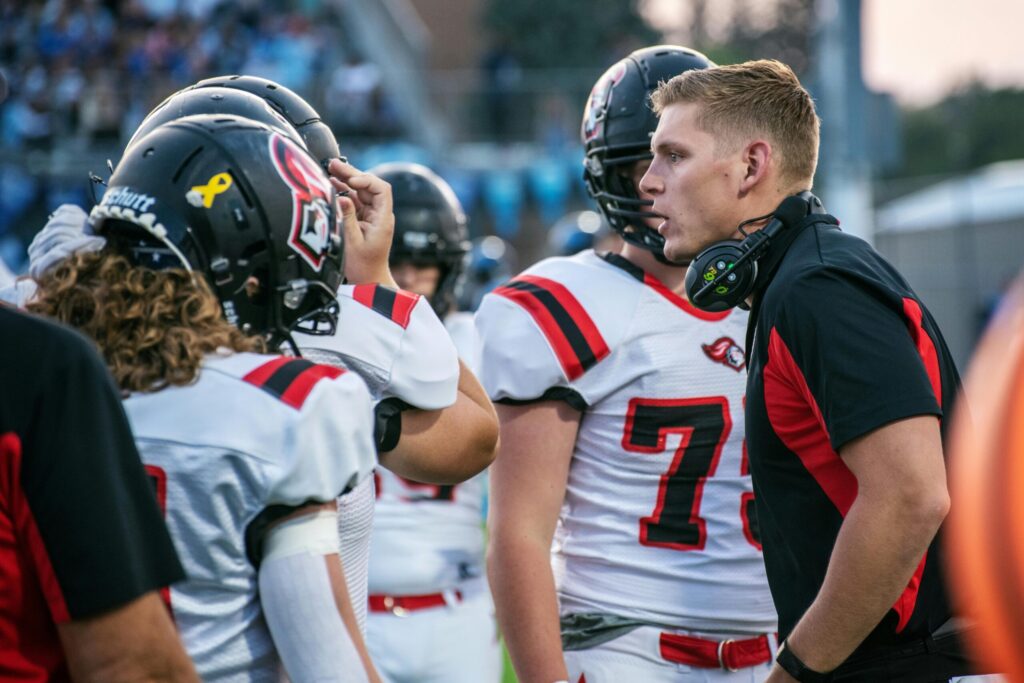
Parents play a steady part in recruiting, they guide academics, help with organization, offer emotional encouragement, and stay aware of basic financial needs. Below, we will explain how each of these responsibilities helps the athlete move forward.
Emotional Support and Confidence Building
Parents play a big part in helping their child stay steady during recruiting by offering calm support when the pressure starts to rise. Sometimes a simple reminder that effort truly matters keeps an athlete centered. And gentle encouragement can help them feel capable even when everything feels a little uncertain.
Also, confidence begins to grow when parents sit down and listen, letting their child speak freely in a safe space. Saying worries out loud helps athletes figure out their own feelings. And with patient guidance, they learn they can face challenges with a stronger mind and steadier focus.
Academic Oversight and Eligibility Management
Parents can also help their child stay on track by keeping an eye on grades and making sure the right classes are being taken for eligibility. This kind of support really matters because colleges prefer students who show that they can balance sports and learning without slipping behind, which ties directly to meeting NCAA academic requirements.
Understanding basic eligibility rules also helps families avoid confusion when important deadlines get close. Keeping an eye on core course requirements, GPA changes, and needed documents makes everything move smoother. And when families stay organized, the whole process feels a lot less stressful for everyone.
Organizational and Administrative Support
Parents can support the recruiting process by tracking deadlines, organizing documents, and making sure nothing important slips by. Even tiny reminders, maybe updating a calendar or checking an email, can lower stress.
Families also take care of simple administrative jobs that keep things moving forward. Sending forms, confirming visit dates, or collecting transcripts might look minor, but they matter. And when parents manage these responsibilities with patience, the athlete feels backed up and confident when handling their own responsibilities.
Financial Planning and Scholarship Understanding
Parents can also help their child by learning how scholarships really work and understanding that money for college can come from different places. Knowing the difference between athletic, academic, and need based aid makes decisions clearer. And with early planning, families can see which opportunities truly fit their situation best.
Expenses around recruiting can also surprise families if they are not expecting them. Travel, camps, and tests can add up, so paying attention to these costs keeps everything manageable. Besides, when parents plan calmly and stay realistic, the athlete feels supported and less stressed about the future.